API Client
How to Share API Collections With Your Team
Learn how to share API collections with your team: shared vs local workspaces, sharing environments safely, and migrating with import/export.
Read article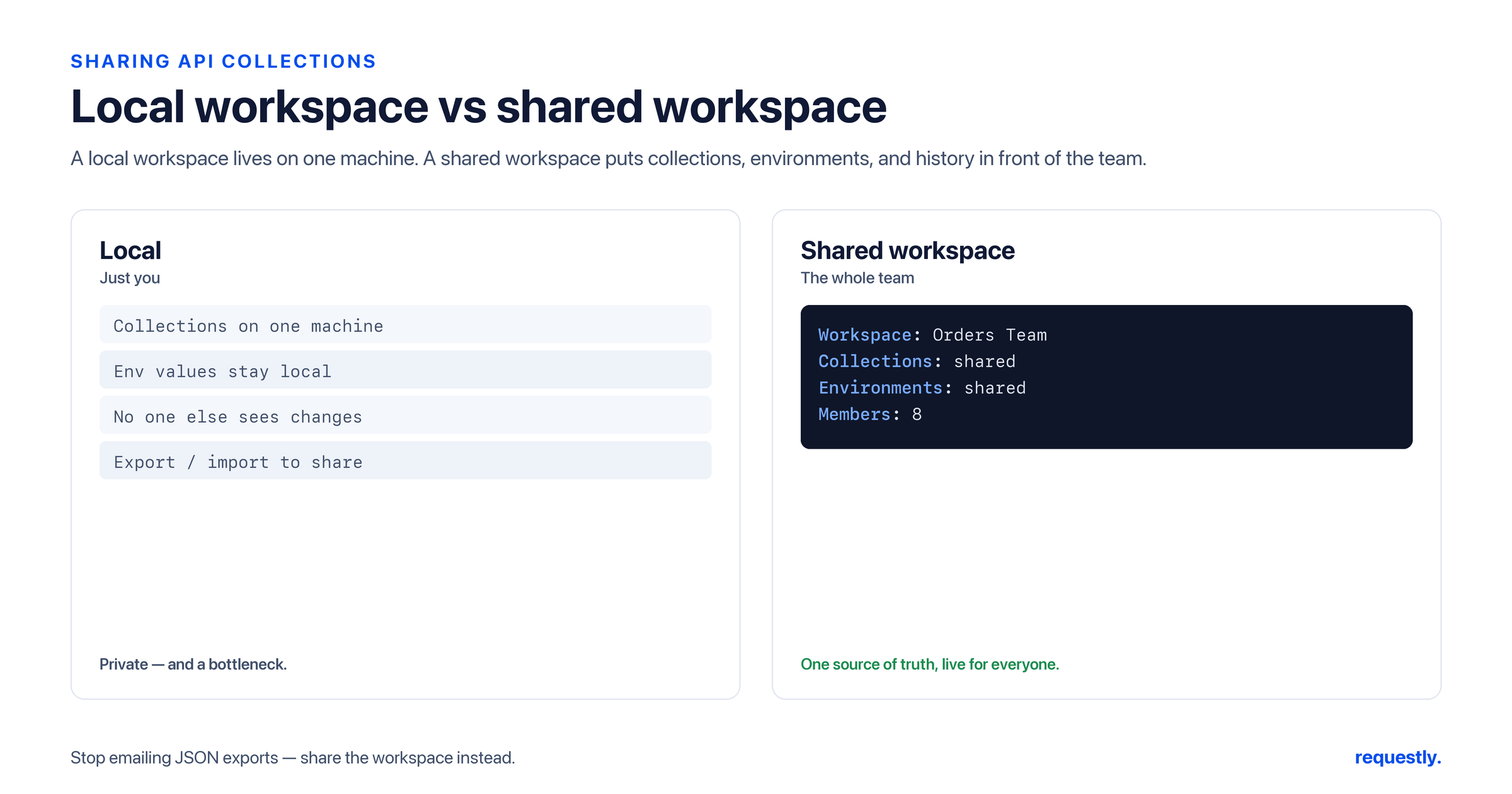

Build & organize
Environments & VariablesDynamic VariablesGraphQL ClientSOAP & gRPCTest & automate
Collection RunnerAPI Tests & AssertionsAI Test Case GeneratorRequestly CLIGovern & secure
VaultTeam WorkspacesLocal ProjectsEnterprise SecurityMore tools
HTTP InterceptorFile ServerImport from PostmanAll featuresGuides, deep-dives and product updates on API development, testing & debugging.
Learn how to share API collections with your team: shared vs local workspaces, sharing environments safely, and migrating with import/export.
Read article
Learn how to upload files via API: multipart/form-data vs Base64 in JSON, when to use each, and how to send file uploads correctly.
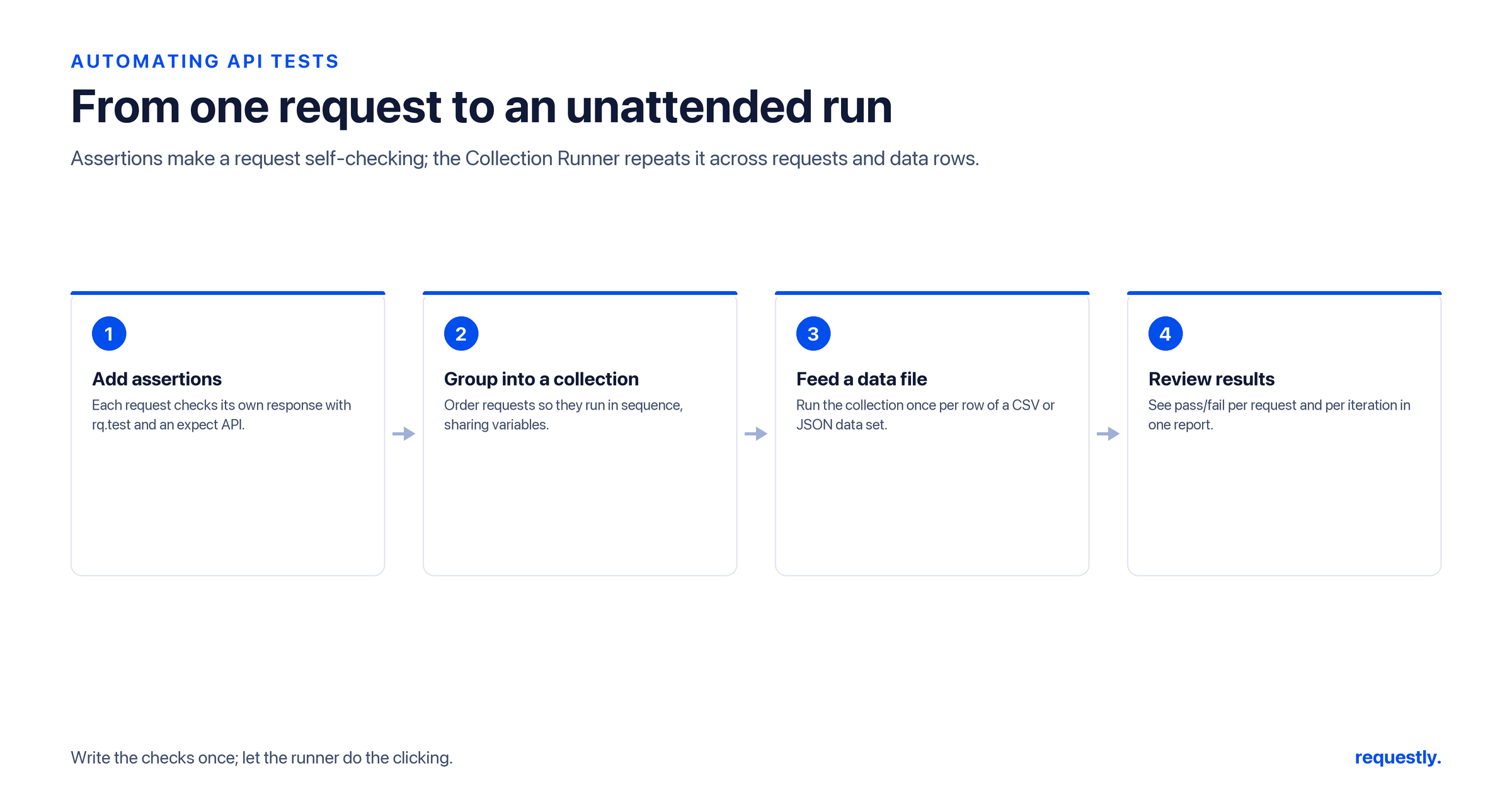
Learn how to automate API testing: add assertions, group requests, drive them with data, and run them repeatably so regressions surface early.
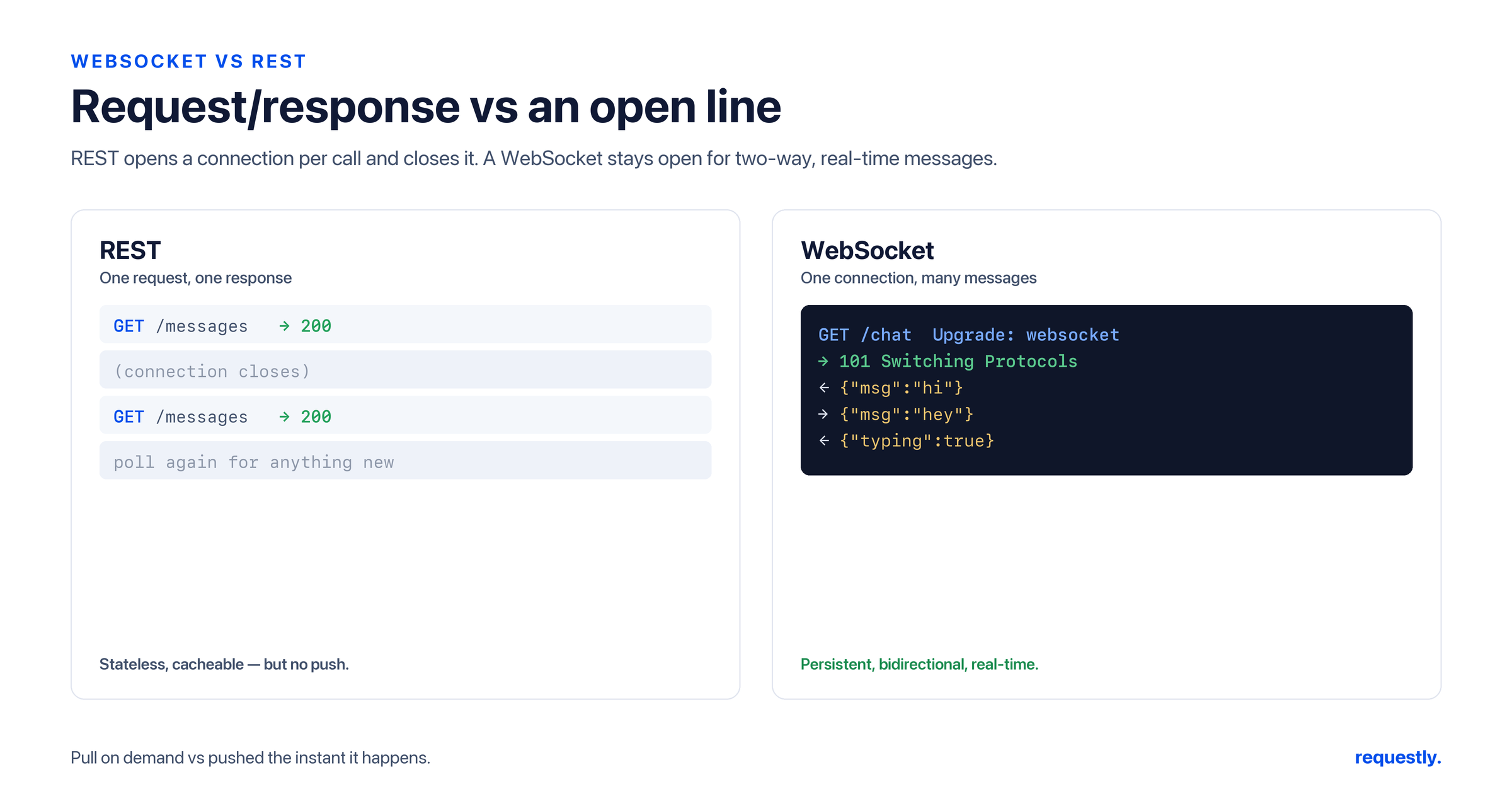
WebSocket vs REST: one holds a connection open for real-time, the other is request/response. Learn when to use each, with practical examples.

Throttling smooths traffic; rate limiting caps it and returns 429. Learn the difference between API throttling and rate limiting, with clear examples.

Learn how API rate limiting works, what HTTP 429 and Retry-After mean, and how to handle and test rate limits without getting your client blocked.

New to API testing? Learn how to test an API step by step: send a request, inspect the response, assert on it, and then automate the run.
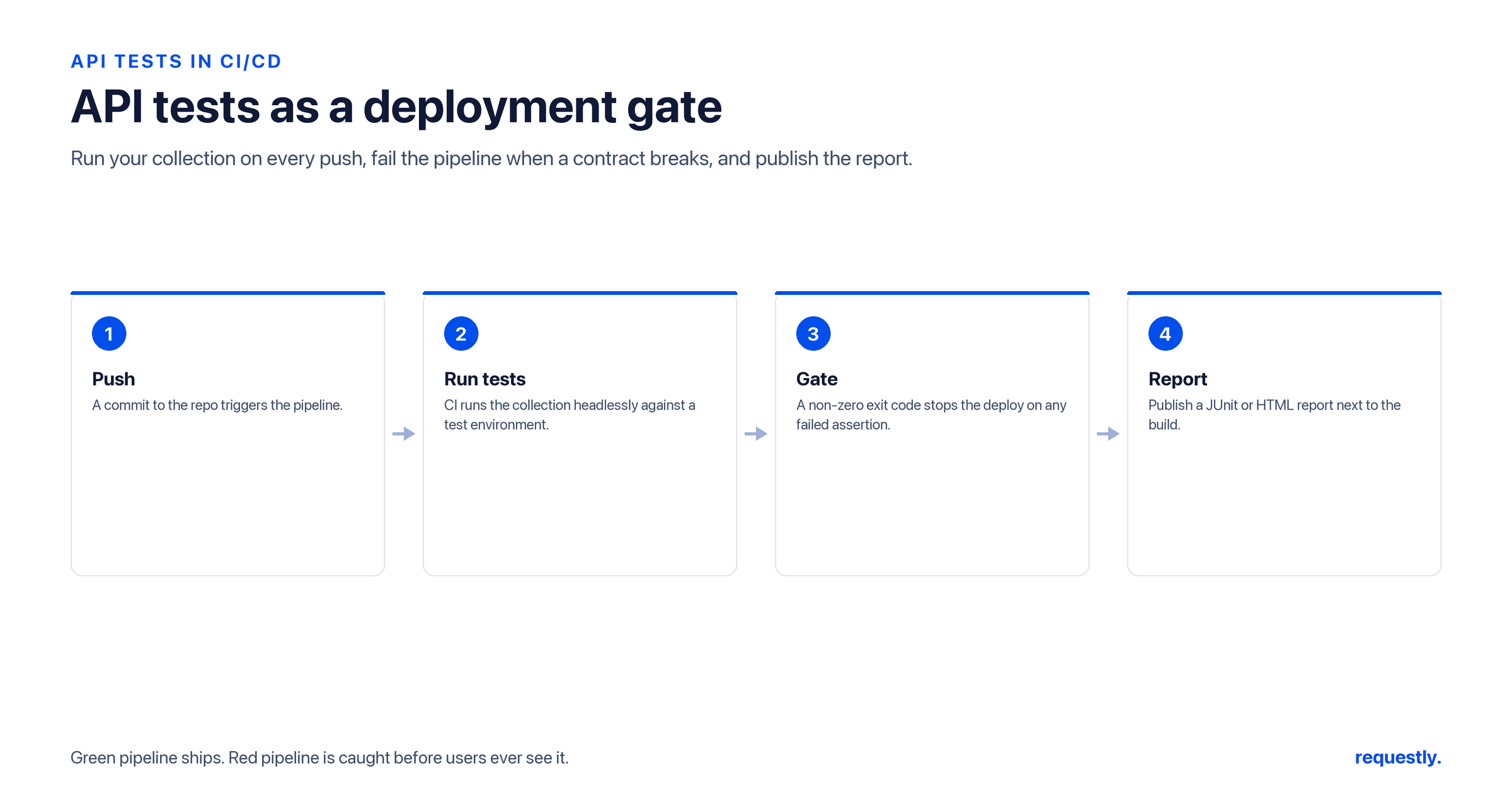
Learn how to run API tests in CI/CD: trigger tests on every push, gate deploys on failures, and publish reports your team can read.
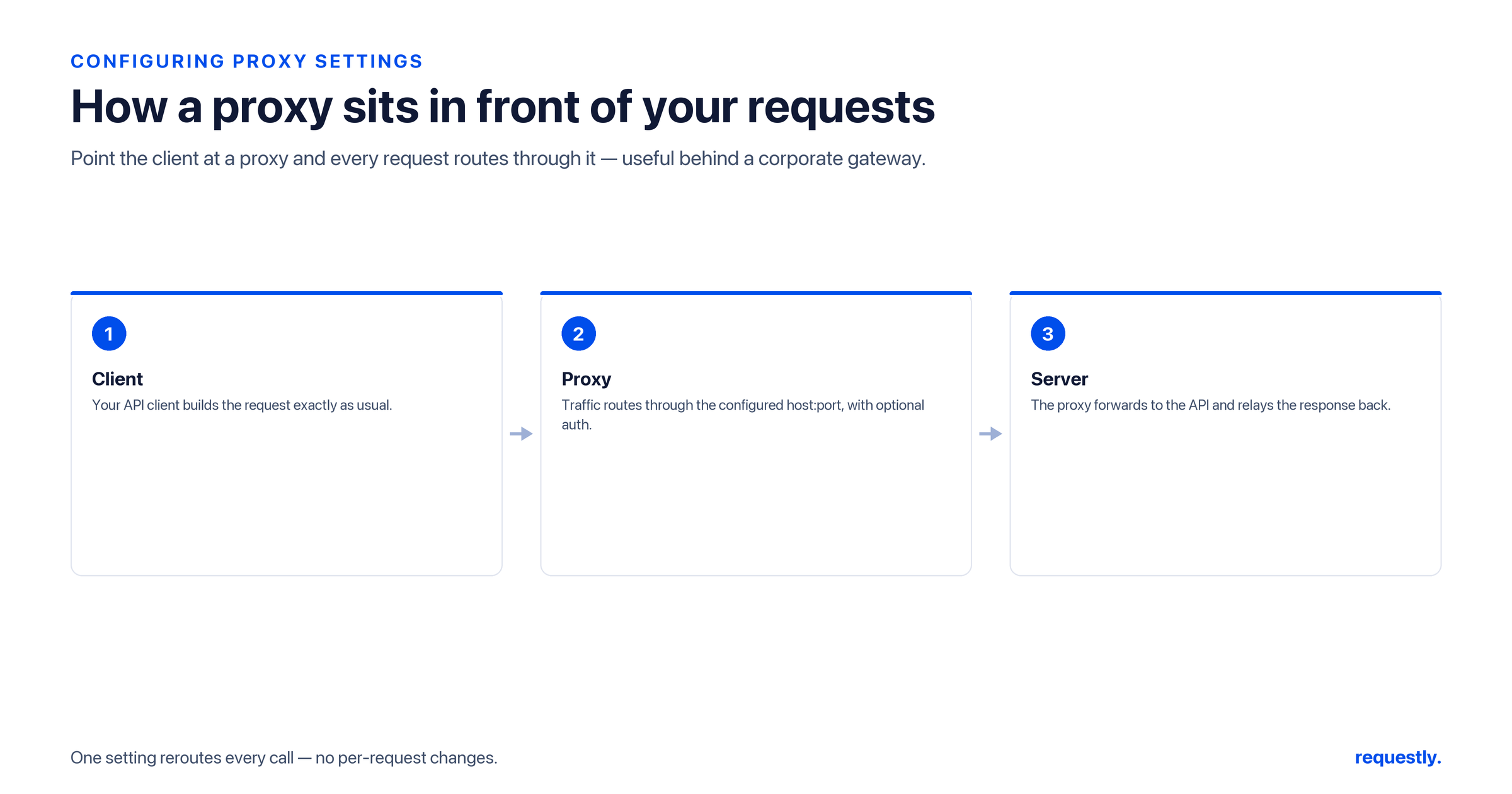
Learn how to configure proxy settings for API requests: route calls through a proxy host and port, handle corporate proxies, and debug traffic.
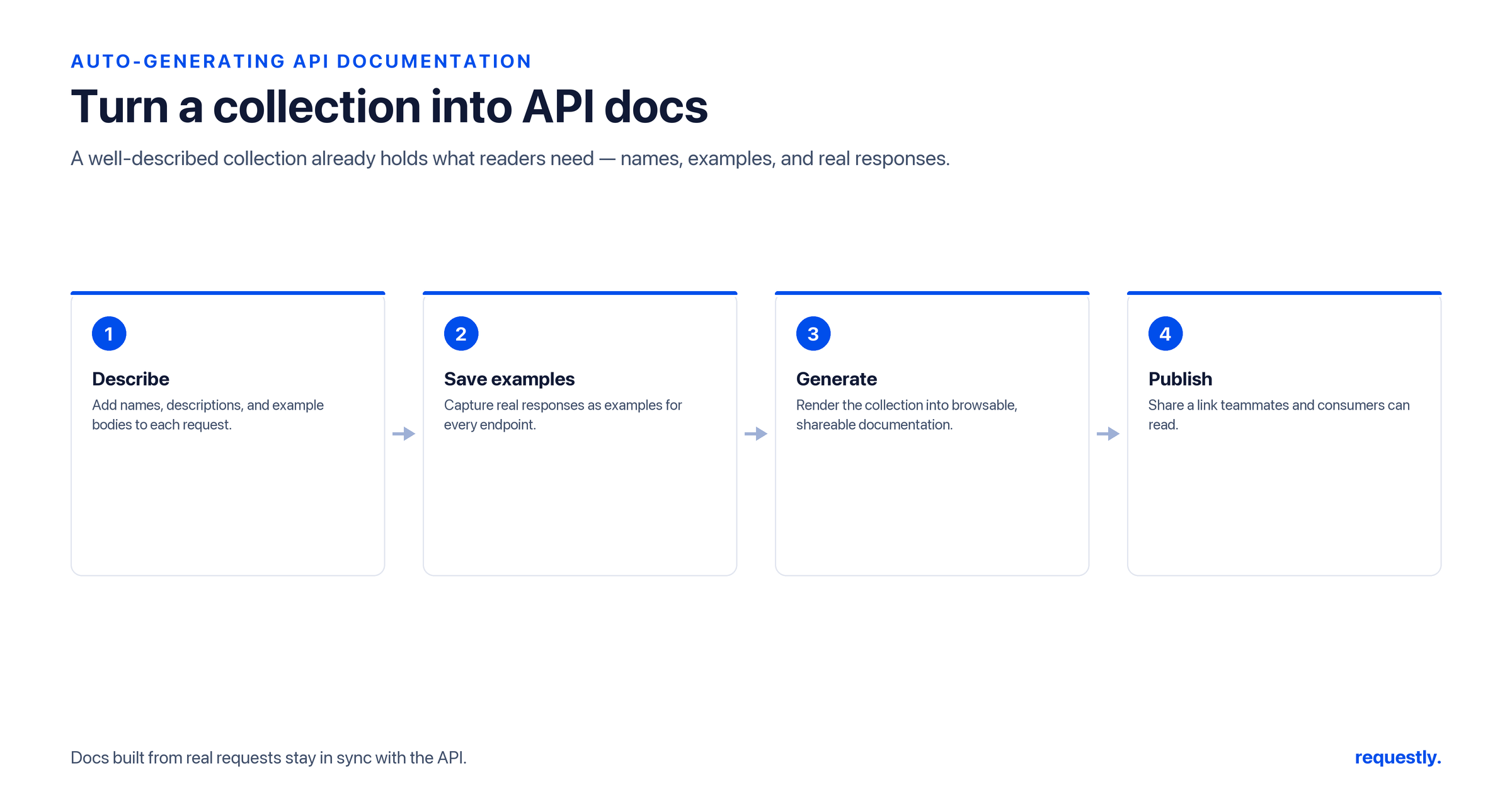
Learn how to auto-generate API documentation from your requests and example responses, and publish docs your team can actually use.
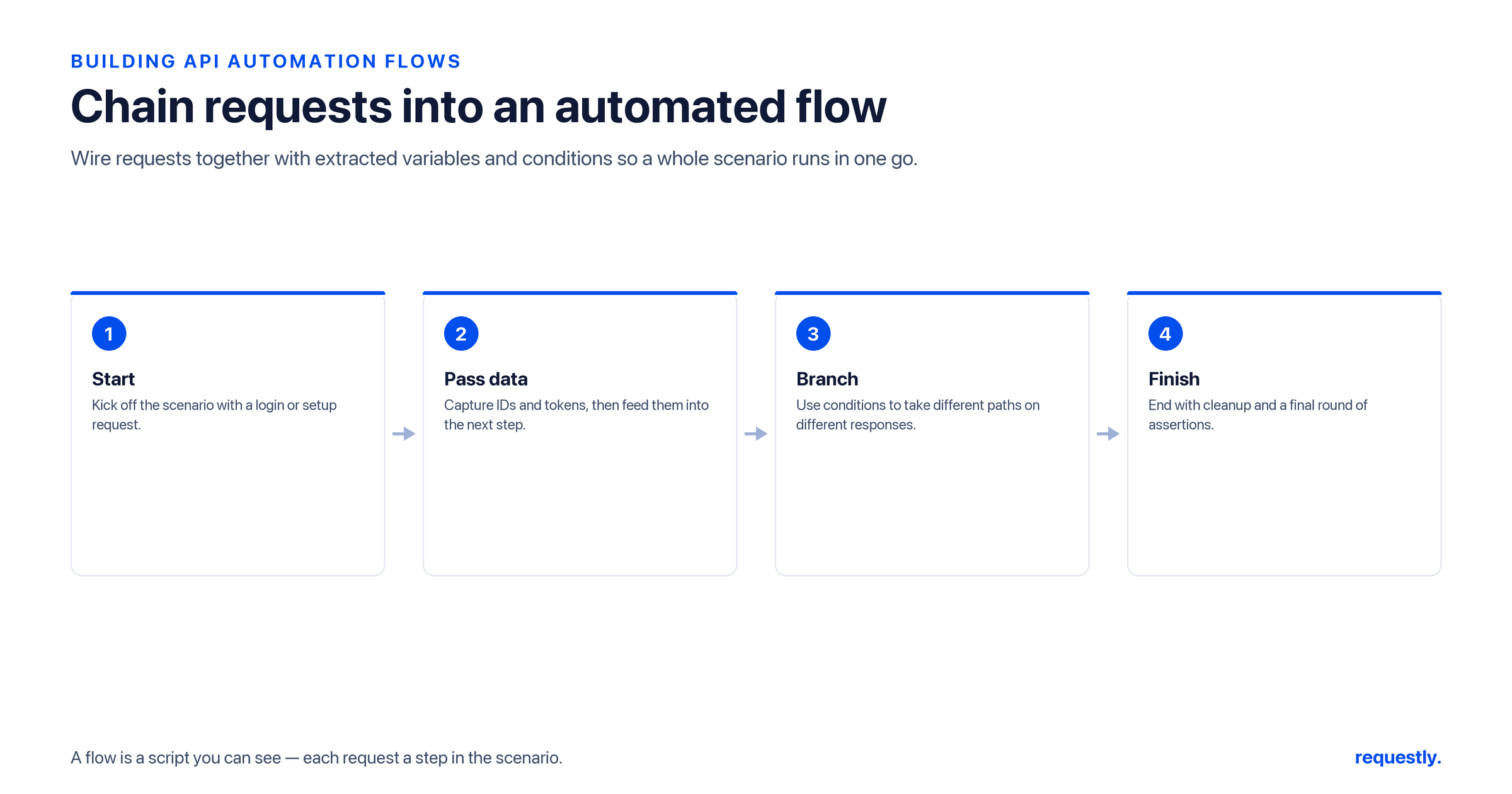
Learn how to build API automation flows: chain requests, extract variables, and add conditions so a whole scenario runs from start to finish.
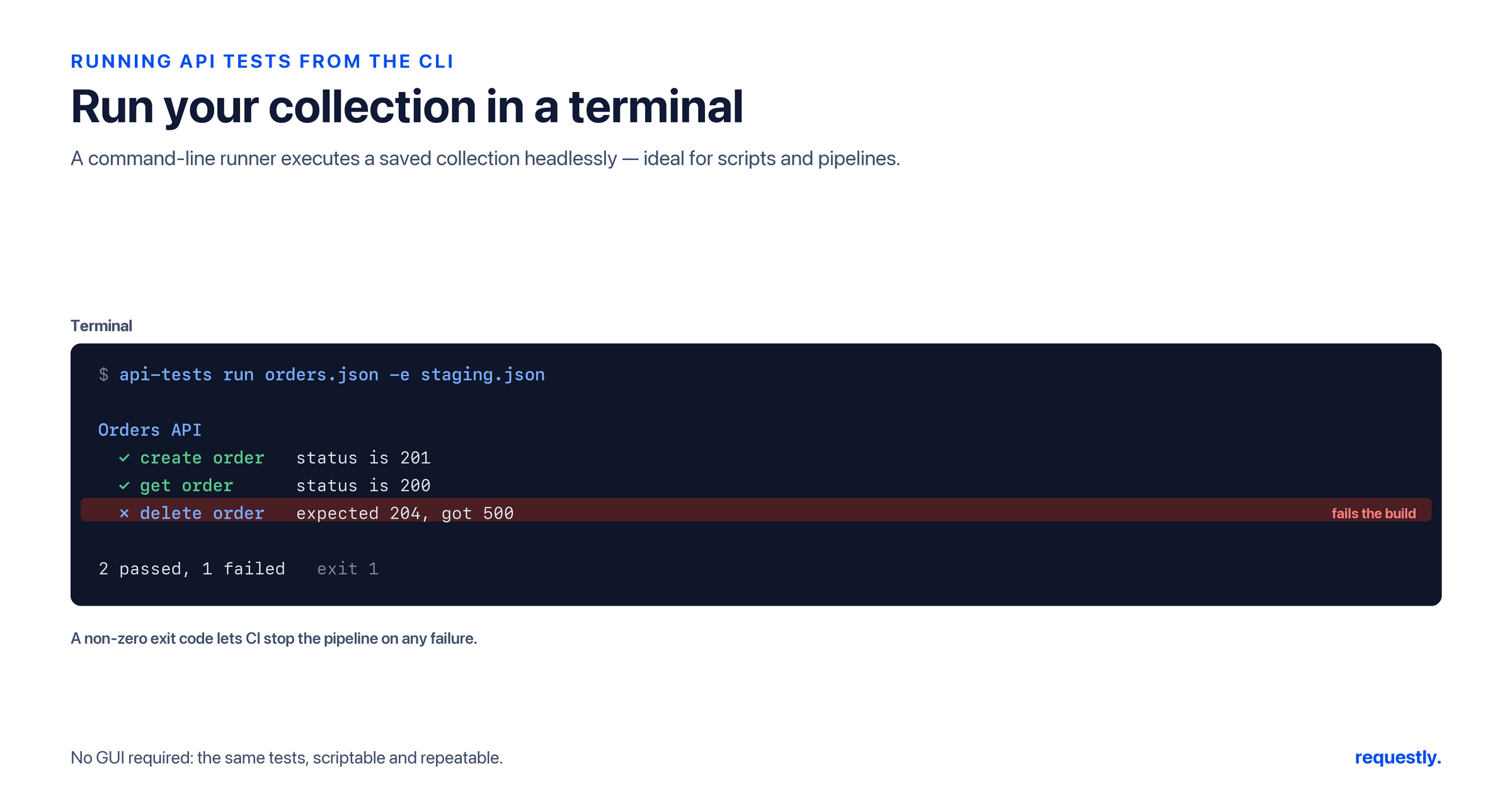
Learn how to run API tests from the command line, with Newman and beyond, so your test suite fits cleanly into scripts and CI pipelines.

Learn how to set up API monitoring: schedule requests, assert on the results, track uptime and latency, and get alerted the moment an API breaks.
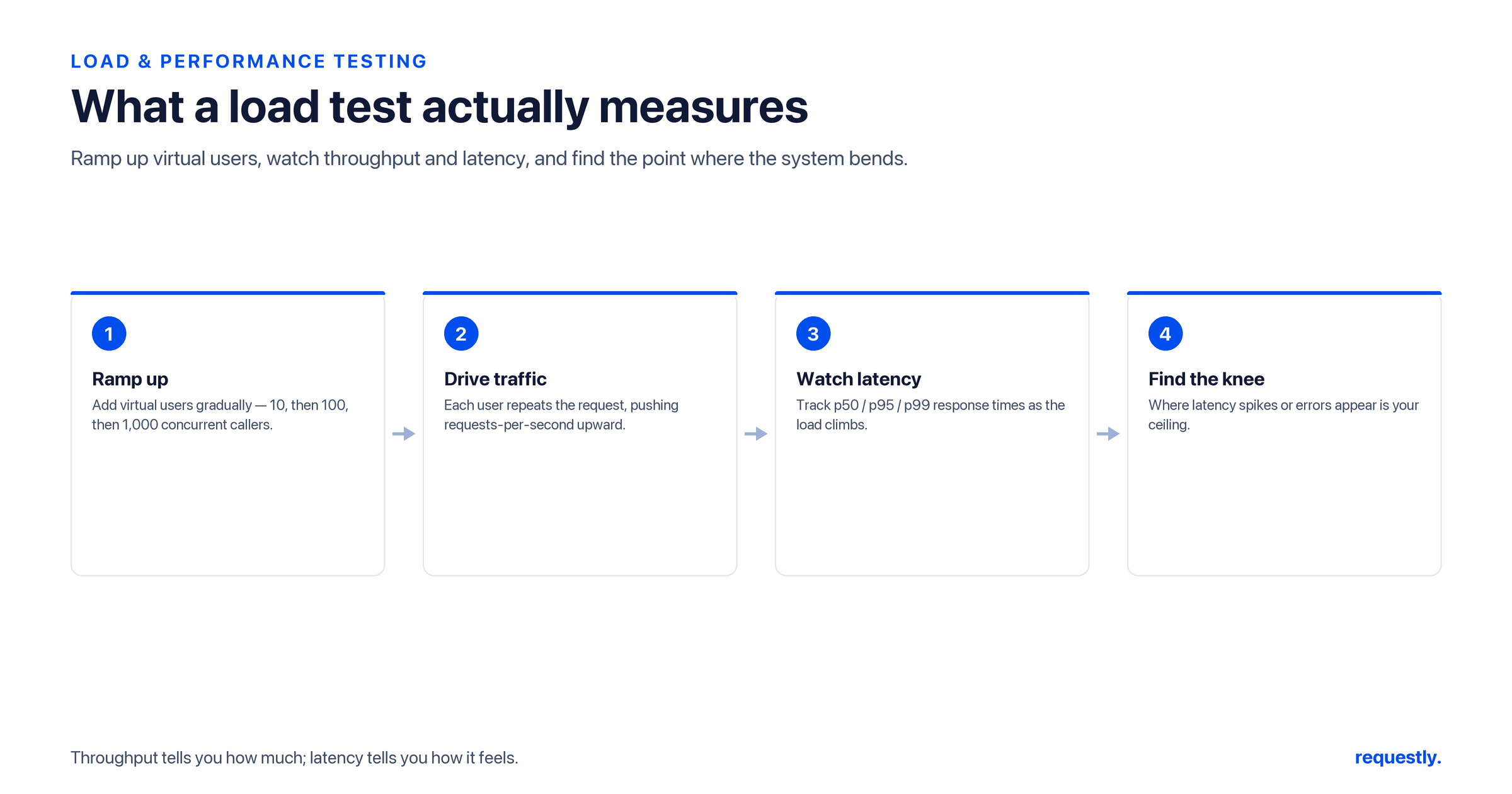
A practical guide to API load and performance testing: virtual users, p50/p95/p99 latency, finding the breaking point, and the right tools.

Learn how to test gRPC services: invoke methods from a .proto contract, assert on typed responses, and use tools like grpcurl and ghz.

Learn how to test WebSocket APIs: open a connection, send and assert on messages, and use the tools that make real-time testing manageable.
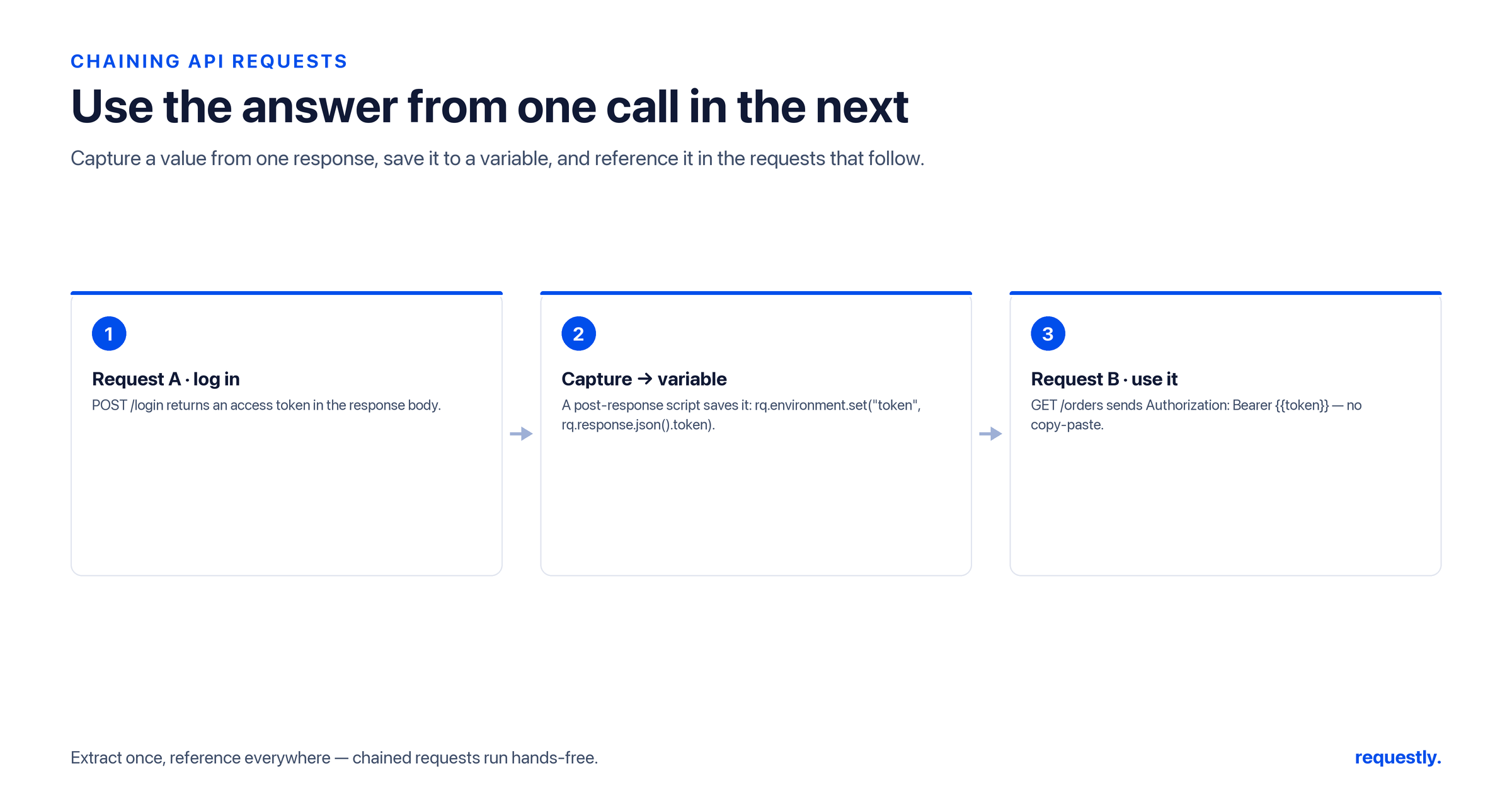
Learn how to chain API requests: capture a value such as a token from one response and reuse it in the next request, with no copy-paste.
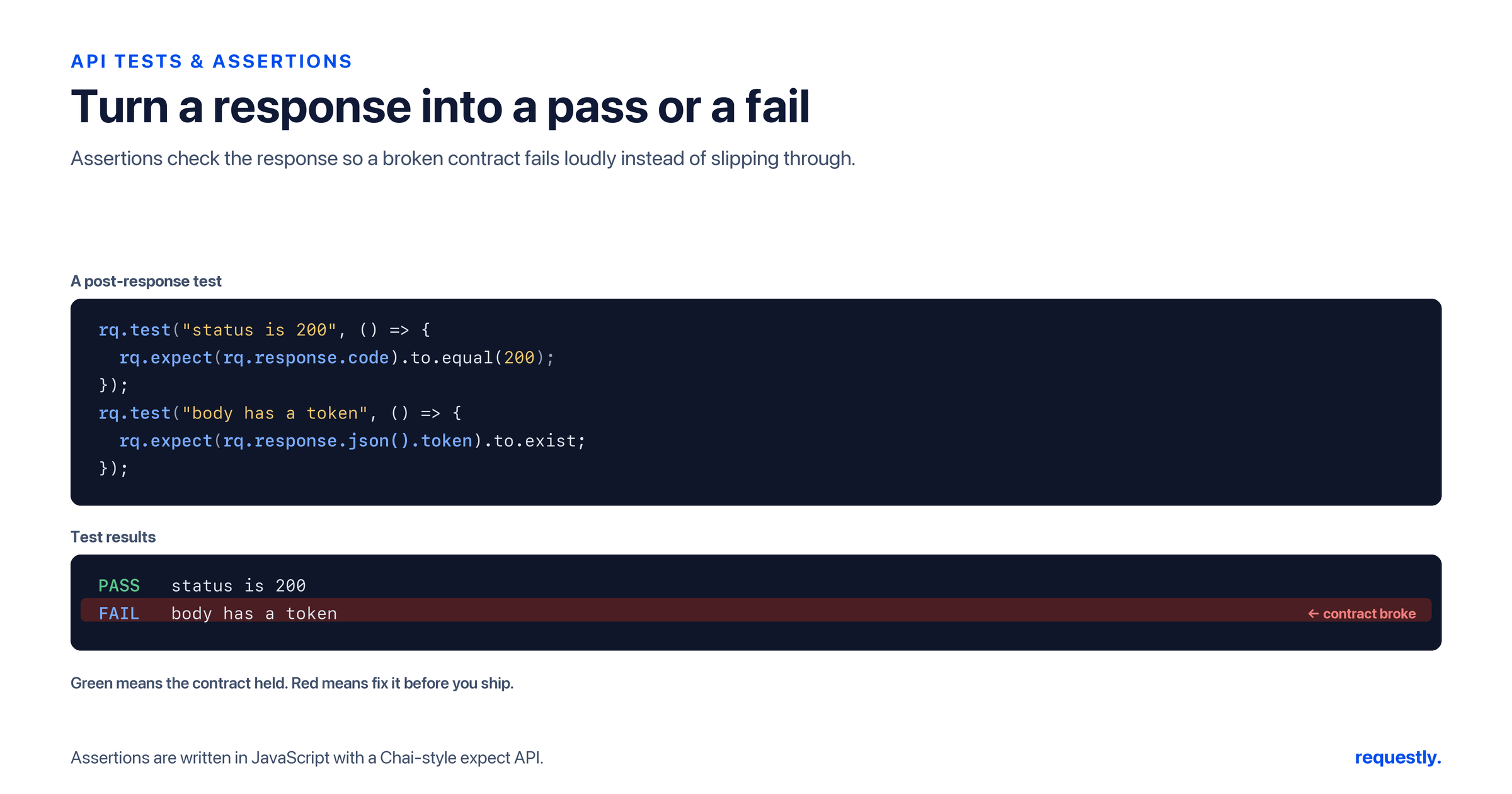
Learn how to write API tests and assertions that check status codes, response bodies, and schemas, so broken contracts fail loudly and early.
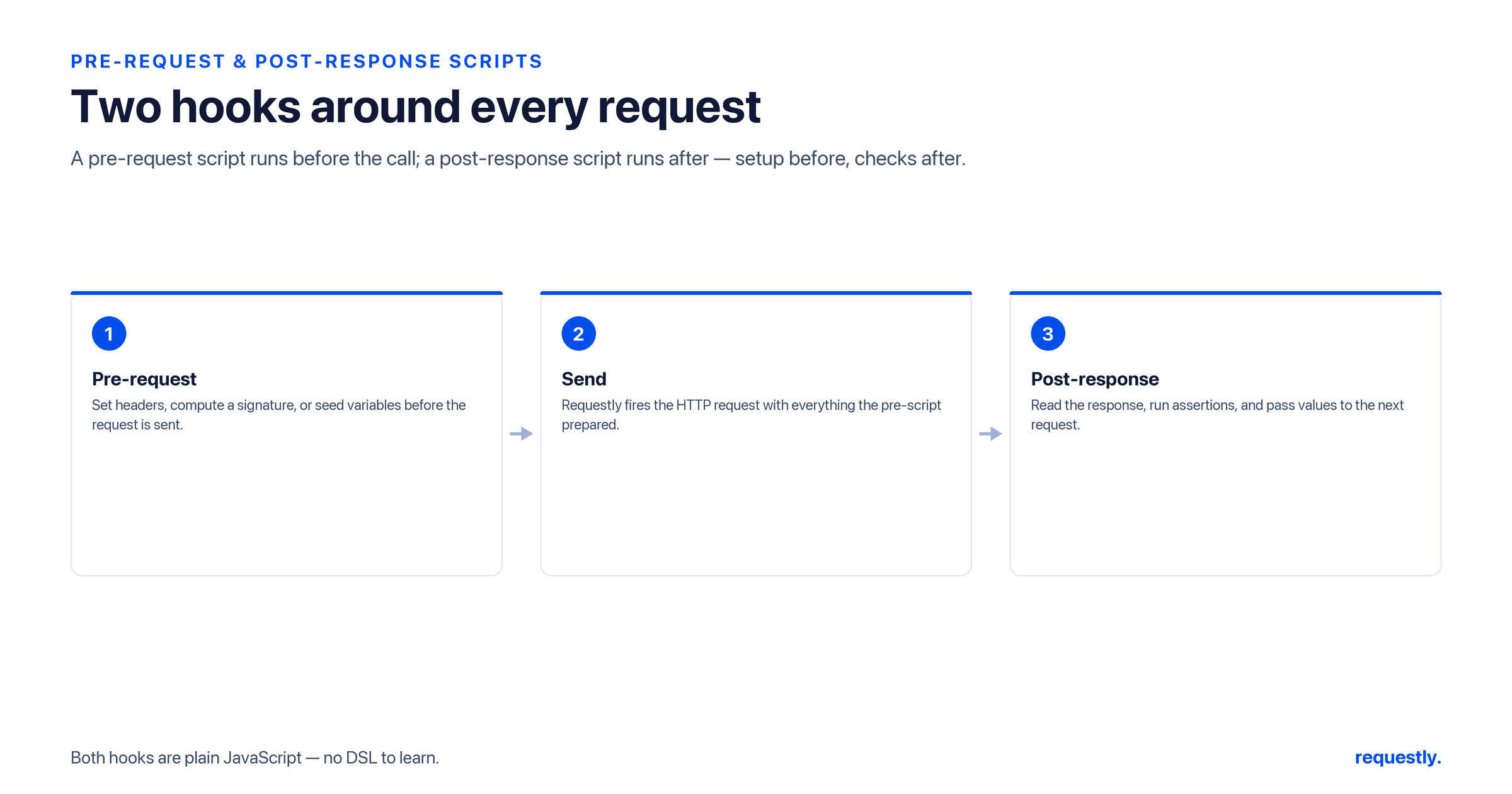
Learn how pre-request and post-response scripts work in API testing: prepare data before a call, then validate or extract values after it.
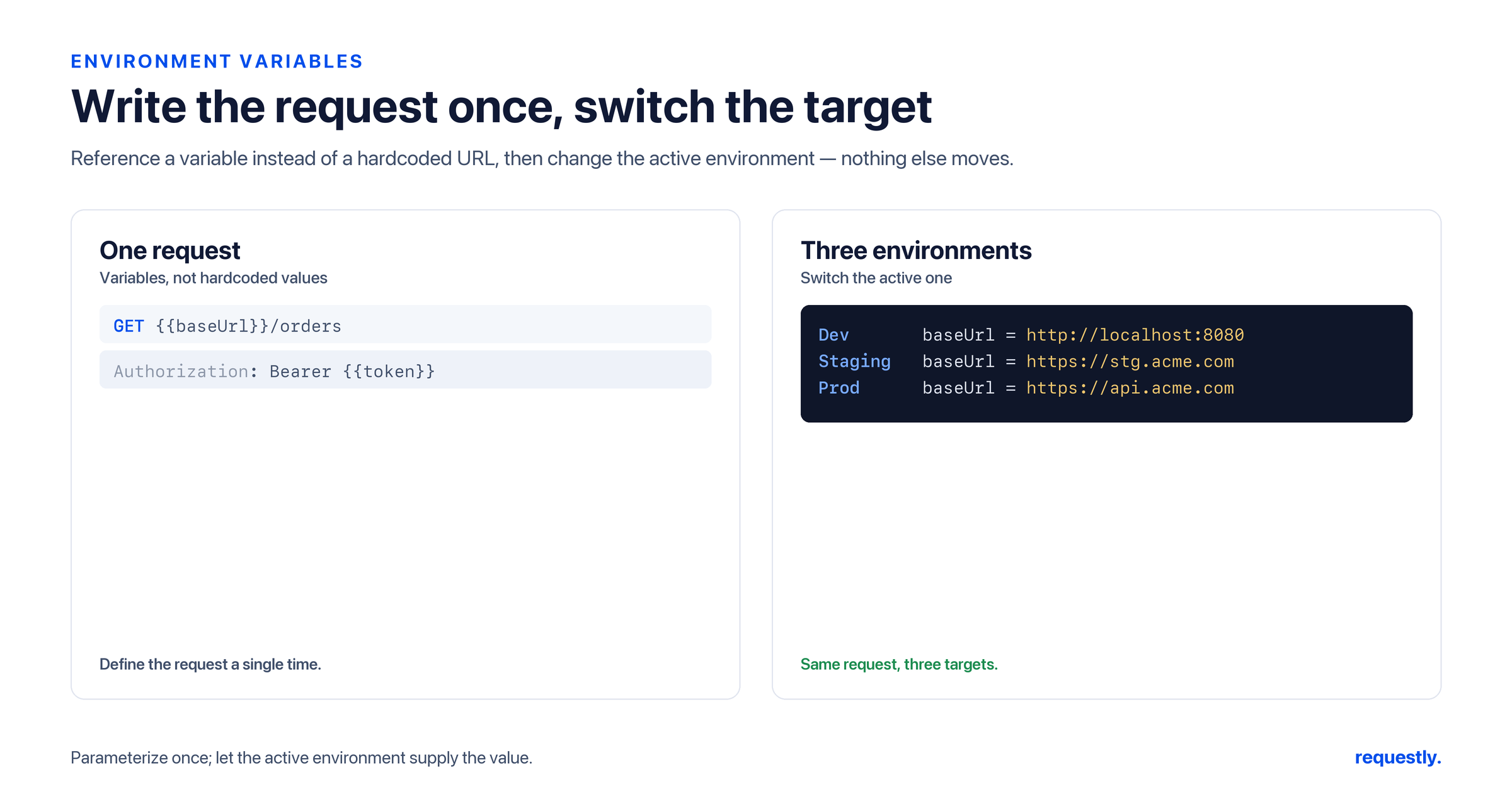
Learn how to use environment variables in API requests to switch between dev, staging, and prod cleanly, and to keep secrets out of your requests.
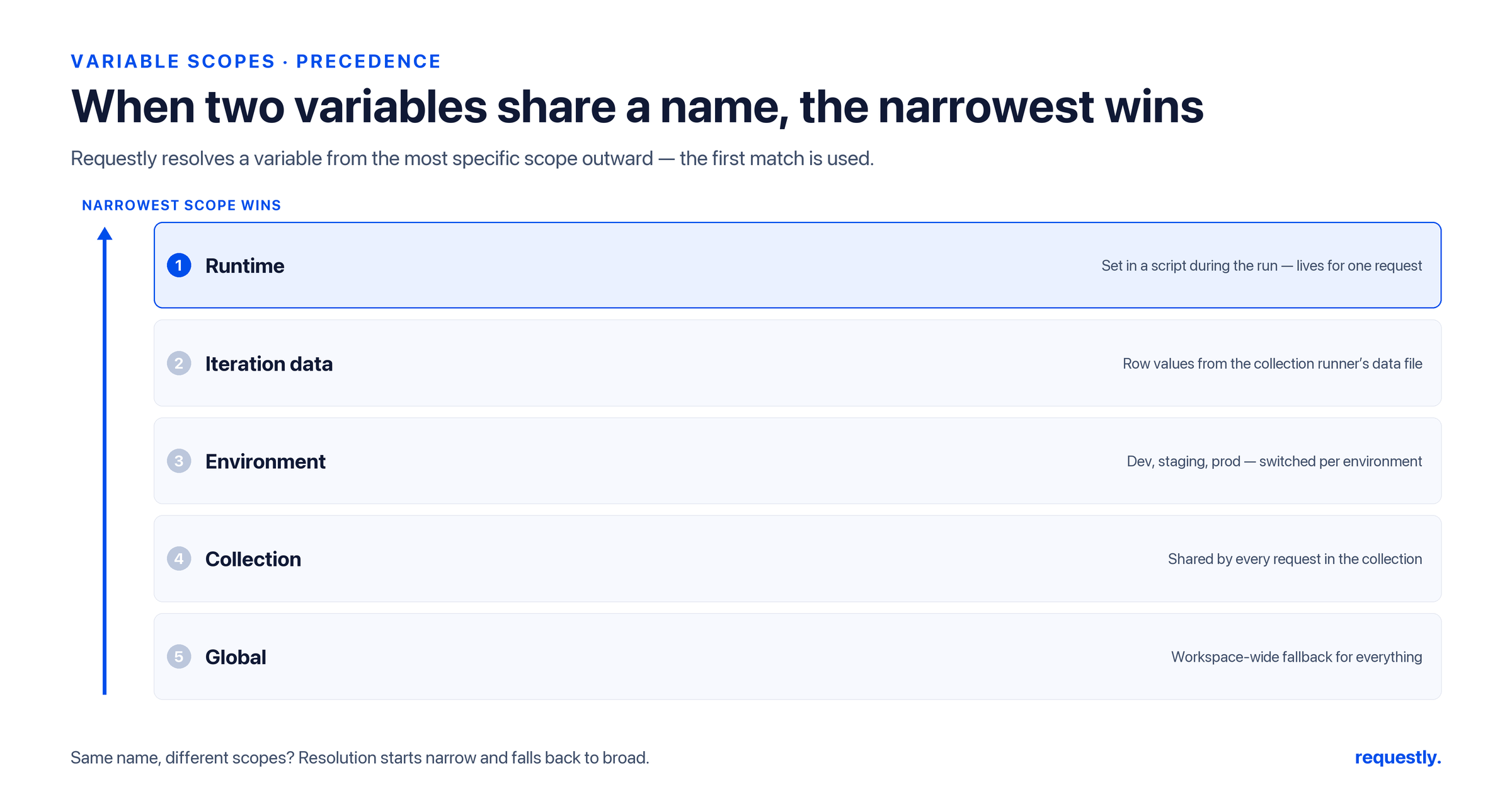
Master variables in API testing: the five scopes, how precedence resolves name conflicts, and how to read and write variables from scripts.
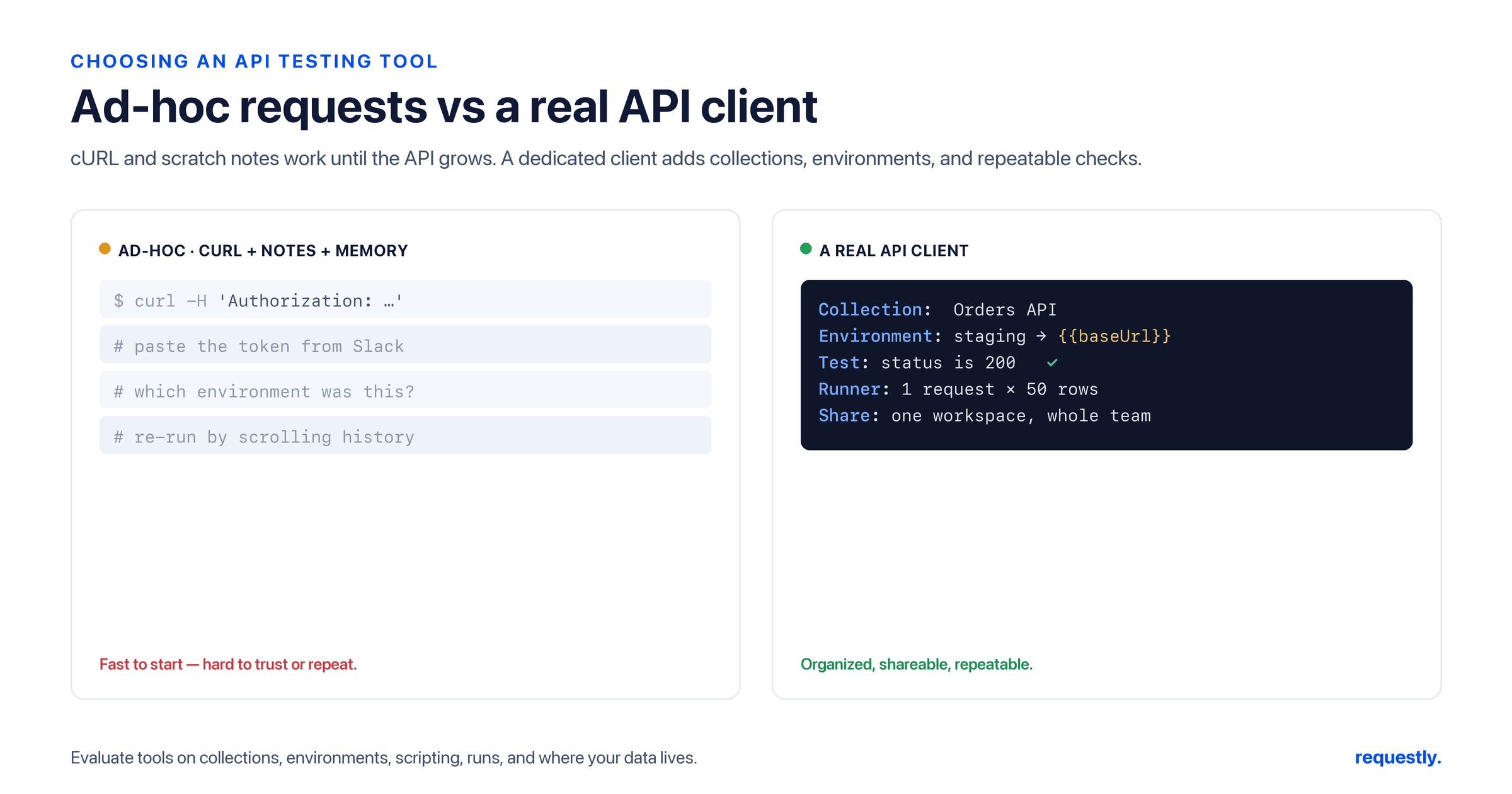
The best API testing tools in 2026, grouped by category: clients, automation, load, and contract testing, so you can pick the right tool for the job.
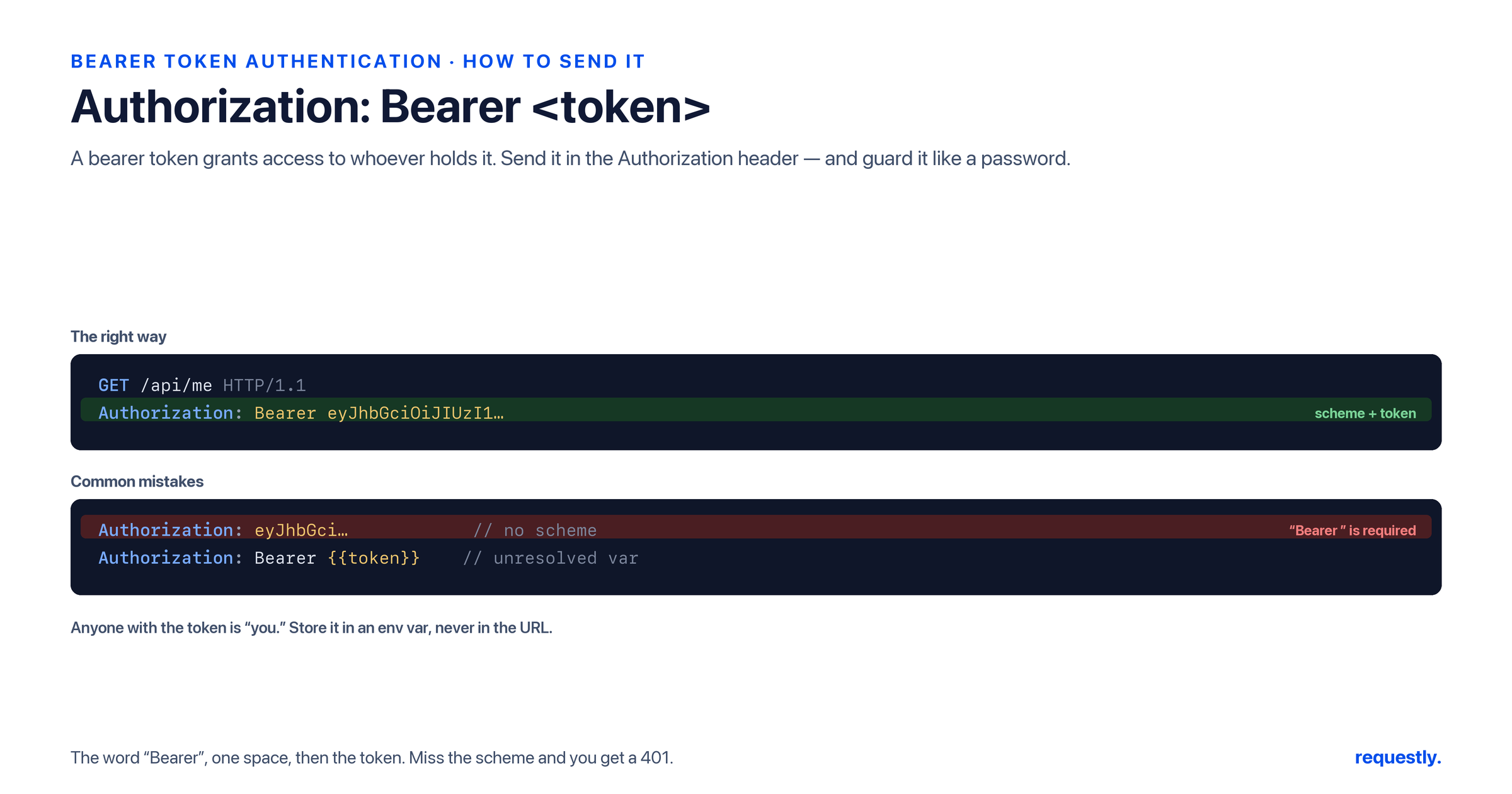
Learn how Bearer token authentication works, how to send the Authorization header correctly, and how to capture and refresh tokens when testing APIs.
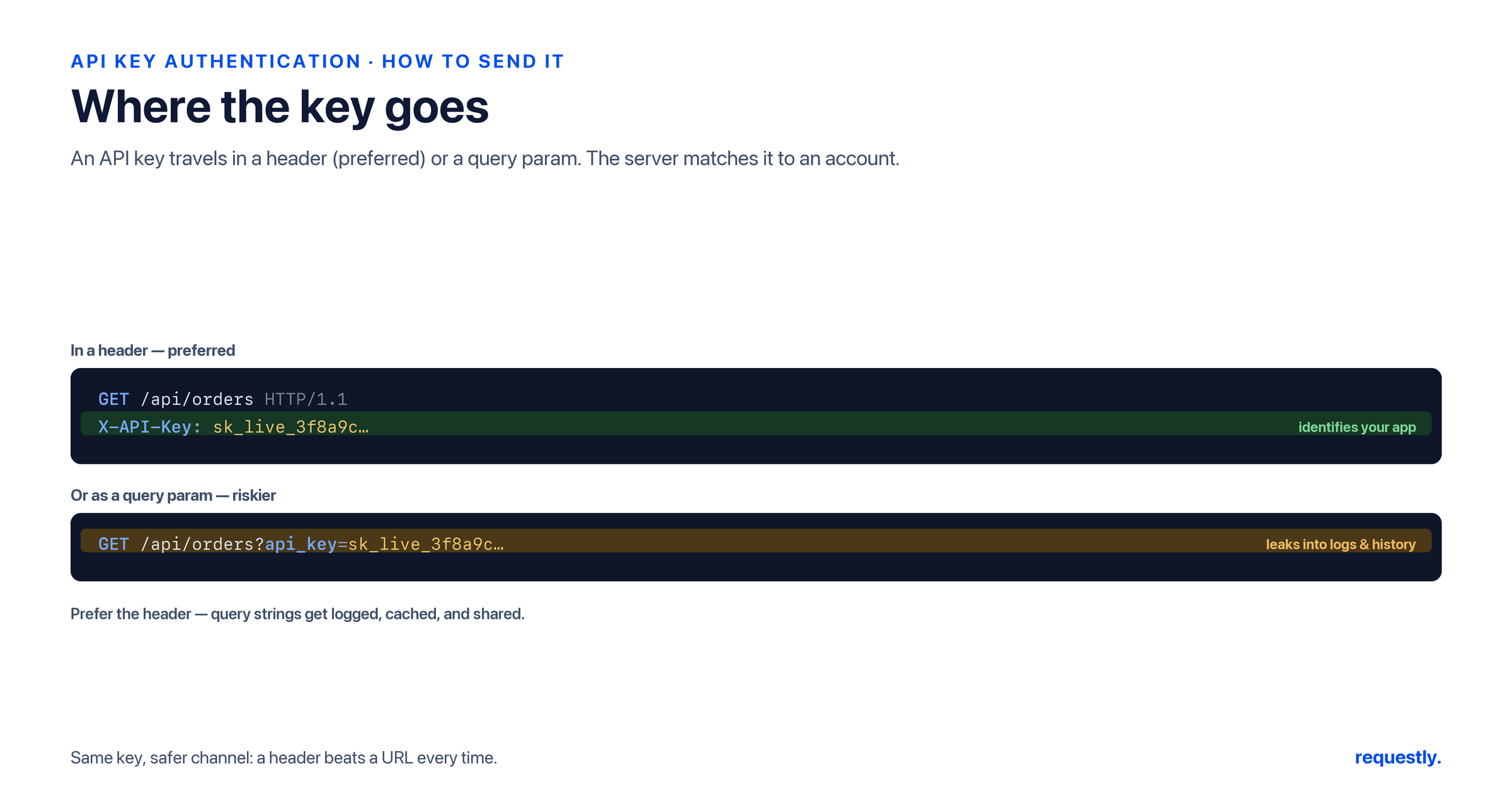
Learn how to set up API key authentication the right way: header vs query string, key generation and rotation, and keeping keys out of logs.
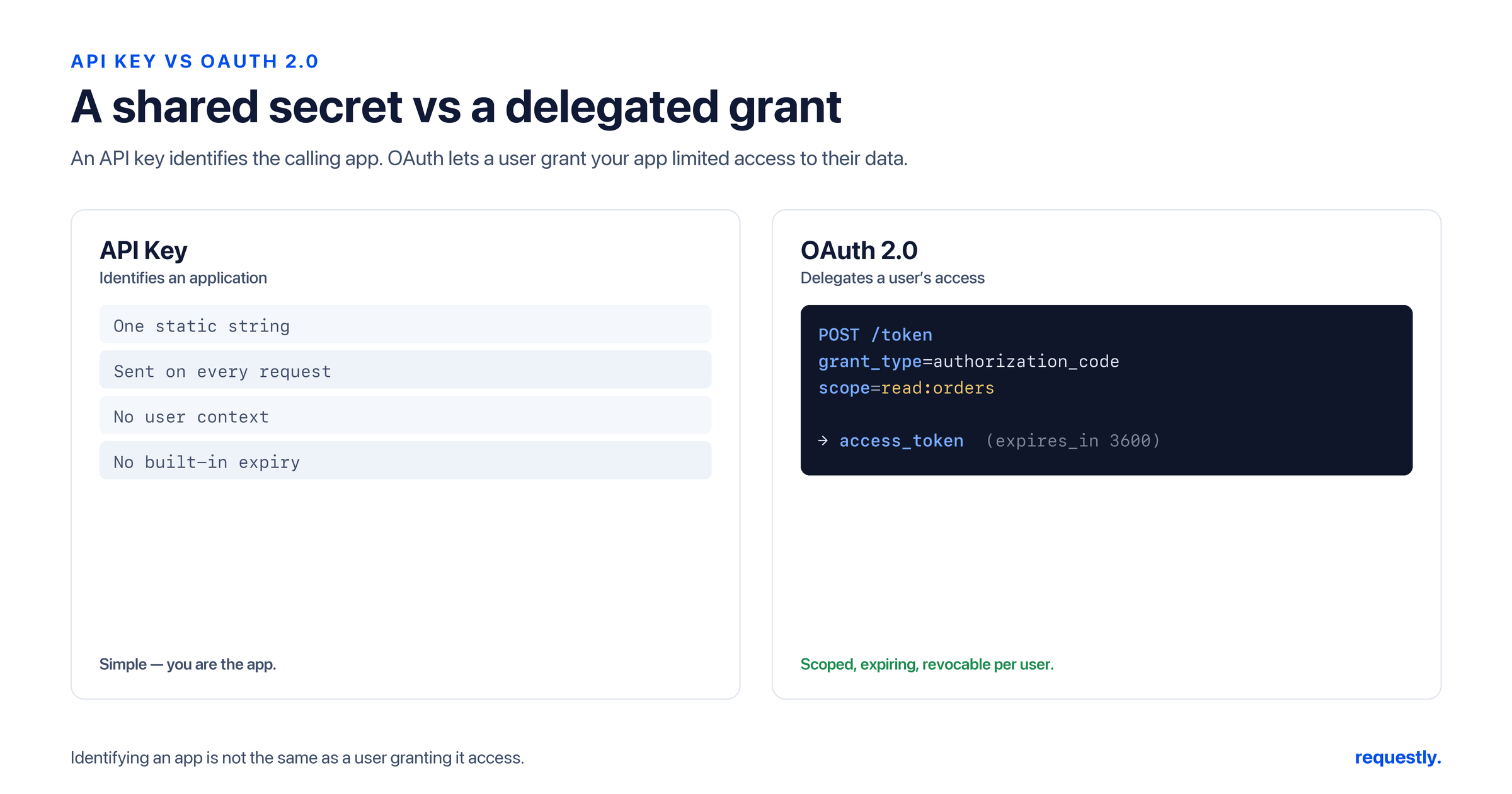
API keys are simple; OAuth 2.0 is scoped and revocable. Compare API key vs OAuth on security, lifetime, and use cases to pick the right one.

OAuth and JWT solve different problems: one is a protocol, the other a token format. Learn the real difference and when to use each.

Authorization Code, PKCE, Client Credentials, Device Code: understand every OAuth 2.0 flow, which one to use, and which flows are now deprecated.
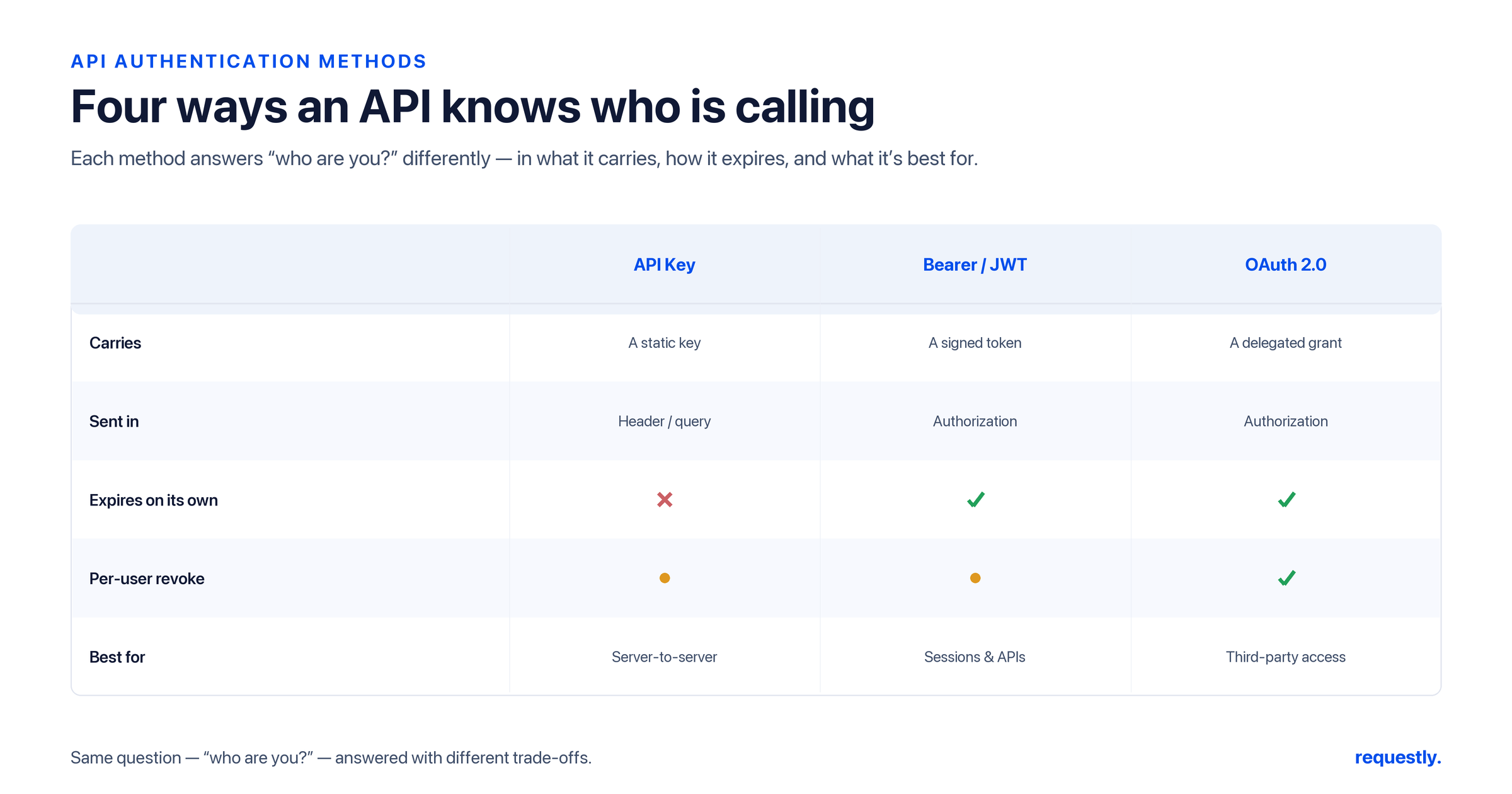
API keys, Bearer tokens, JWT, OAuth 2.0, Basic auth: compare every API authentication method, when to use it, and how to implement it correctly.

gRPC vs REST compared: transport, payloads, streaming, and typing. Learn which protocol fits your API and how to work with each one.
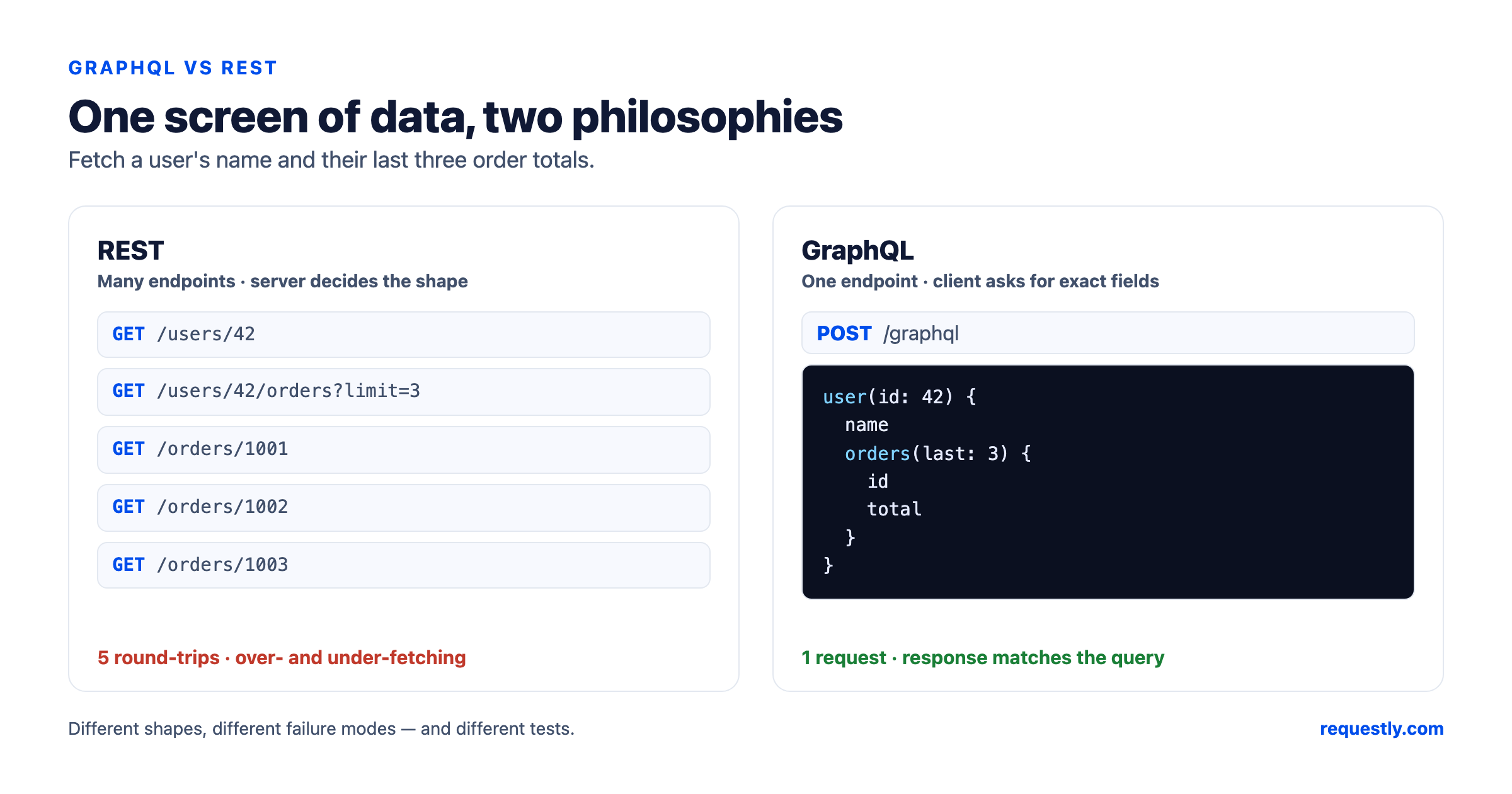
GraphQL or REST? Compare how each handles queries, over-fetching, and tooling, then learn how to test both kinds of API effectively.