



Content Security Policy (CSP) is an essential security measure in modern web development, designed to protect websites from various attacks like cross-site scripting (XSS) and data injection.
By restricting the types of content that can be loaded on a page, Content Security Policy helps prevent attackers from executing malicious scripts and accessing sensitive user data.
This article covers the fundamentals of Content Security Policy, its importance for web security, and how it works to safeguard online applications.
What is Content Security Policy?
Content Security Policy (CSP) is a web security standard that allows website owners to control which resources are allowed to be loaded on their pages.
This is done through HTTP response headers, which define a set of rules (known as directives) that specify trusted sources for content such as scripts, images, and stylesheets.
By enforcing a Content Security Policy, a site can block unauthorized content from running, preventing malicious attacks like XSS and clickjacking, which attempt to exploit vulnerabilities in web applications by injecting untrusted code.
Why Content Security Policy Matters for Web Security
Implementing a Content Security Policy is critical for securing websites and web applications. Here’s why it matters:
- Prevents Cross-Site Scripting (XSS): XSS attacks involve injecting malicious scripts into a website, allowing attackers to steal user data or execute unwanted actions. CSP helps prevent these attacks by restricting where scripts can be loaded from.
- Reduces Data Injection Risks: Content injections can happen when untrusted sources are allowed to send data to the web page. CSP restricts the sources, thus reducing the potential for data breaches.
- Improves Site Integrity: By defining clear rules for content sources, CSP ensures that only trusted resources are loaded, maintaining the integrity of your site’s content.
- Enhanced User Trust: A properly implemented CSP builds user confidence, as it demonstrates that the website is actively taking steps to protect against malicious activities.
How Content Security Policy Works
Content Security Policy works by setting directives in an HTTP response header that tell the browser which resources are allowed to load and execute. Here’s a breakdown of how it functions:
1. HTTP Header: The Content-Security-Policy header is included in the server’s response, specifying which content is allowed. Example:
Content-Security-Policy: default-src 'self';
script-src 'self' https://trusted-cdn.com;
2. Directives: Directives are the rules defined in the Content-Security-Policy header that specify which sources can be trusted. Some common directives include:
- default-src: Specifies default sources for all types of content.
- script-src: Defines allowed sources for JavaScript.
- img-src: Controls where images can be loaded from.
3. Whitelisting Sources: By using whitelisting, Content Security Policy only allows content from trusted sources. If a resource is not on the allowed list, it will be blocked by the browser.
4. Blocking Malicious Content: If any content does not match the defined policy, it will be blocked, preventing the execution of potentially harmful scripts or the loading of untrusted resources.
Common Content Security Policy Directives and Use Cases
CSP uses a variety of directives that allow developers to finely tune how content is loaded and executed on a page. Some of the most commonly used directives include:
- default-src: Sets the default policy for loading content like scripts, images, styles, and fonts when no other directive is specified.
- script-src: Specifies valid sources for JavaScript. Helps prevent unauthorized script execution.
- style-src: Defines where CSS styles can be loaded from. Useful for blocking inline styles or styles from unknown domains.
- img-src: Controls where images can be loaded from, protecting against image-based exploits or unwanted tracking pixels.
- connect-src: Governs the allowed endpoints for network requests (like AJAX, WebSockets, and APIs).
- frame-ancestors: Restricts which domains are allowed to embed the content using frames or iframes, preventing clickjacking attacks.
Setting Up Content Security Policy on Your Website
Setting up Content Security Policy (CSP) on your website is straightforward but requires careful configuration to avoid breaking your site. Here’s how you can set it up:
1. Define Your Policy: Choose the directives based on your website’s content needs. Decide which resources should be allowed and from which sources.
2. Add the CSP Header: Add the Content-Security-Policy header to your server’s HTTP response. This can typically be done in your server configuration or via a plugin if you are using a CMS like WordPress.
Example for a basic policy:
Content-Security-Policy: default-src 'self';
script-src 'self' https://trusted-cdn.com;
3. Test in Report-Only Mode: Use Content-Security-Policy-Report-Only to test the policy without enforcing it. This will log violations and allow you to see potential issues before fully enforcing the policy.
4. Enforce the Policy: Once you are confident that the policy works as expected, switch from report-only mode to enforcement mode.
Best Practices for Configuring Content Security Policy
To ensure the Content Security Policy is effective without negatively impacting site functionality, follow these best practices:
- Use a restrictive default policy: Start with a minimal set of trusted sources and add specific directives for resources like scripts, styles, and images.
- Avoid unsafe-inline and unsafe-eval: These values reduce security by allowing inline scripts and dynamic code execution. If necessary, use nonces or hashes for inline scripts.
- Whitelisted Domains Only: Always specify trusted domains for external content like scripts, images, and APIs. Avoid using broad rules like * or unsafe-inline.
- Use Report-Only Mode for Testing: Before fully enforcing your Content-Security-Policy, use Content-Security-Policy-Report-Only to log violations and identify potential issues.
- Regularly Update and Review: Continuously update your policy as your site changes to ensure no outdated or insecure sources remain.
Troubleshooting Content Security Policy Issues
When Content Security Policy breaks your website or app, troubleshooting can seem daunting. Here’s how to handle common issues:
- Blocked Resources: If legitimate resources like images or scripts are blocked, check the Content-Security-Policy directives. Ensure that sources are correctly listed and that there are no typos or missing sources.
- Inline Script Blocking: If inline scripts are being blocked, review the script-src directive and consider using nonces or hashes to safely allow inline scripts.
- Testing with Tools: Use browser developer tools or Requestly HTTP Interceptor to inspect and modify Content-Security-Policy headers. This allows you to simulate different scenarios and identify errors without changing your server configuration.
- Monitor Violations: Use Content-Security-Policy reporting to track violations in report-only mode and get detailed information about what’s being blocked.
- Compatibility Issues: If third-party content (like ads or analytics) is being blocked, make sure the domains are explicitly whitelisted in your Content-Security-Policy.
By following these steps and using tools like Requestly HTTP Interceptor, you can quickly diagnose and resolve Content-Security-Policy issues to maintain both security and functionality.
Testing and Debugging Content Security Policy Headers with Requestly
Testing and debugging Content Security Policy headers are essential steps to ensure a secure and functional website.
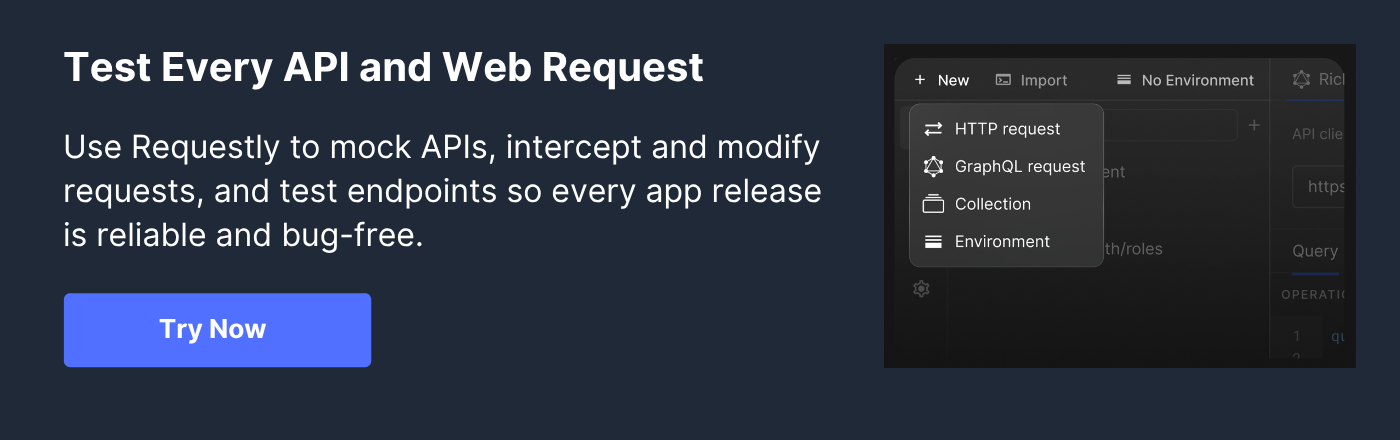
Requestly HTTP Interceptor simplifies this process by allowing real-time modification and inspection of CSP headers.
- Intercept and modify headers: Requestly enables you to intercept Content-Security-Policy headers in real-time, allowing you to modify them and test how changes affect the site’s behavior.
- Simulate different policy scenarios: You can simulate different Content-Security-Policy rules and identify which resources are being blocked or allowed, helping to fine-tune your policy.
- Quickly debug CSP issues: Use Requestly to detect issues with third-party content or broken policies without needing to change backend configurations.
By leveraging Requestly, developers can streamline CSP debugging and enhance the overall security of their websites, ensuring that content is loaded from trusted sources.
Monitoring and Reporting Content Security Policy Violations
Content Security Policy allows you to monitor and report any violations, helping you track and address security issues as they arise.
- Violation Reporting: Use the report-uri or report-to directive in the Content-Security-Policy header to send violation reports to a specified endpoint. These reports provide detailed information about blocked content, including the cause and location of the violation. Example:
Content-Security-Policy: default-src 'self'; report-uri /csp-violation-report-endpoint; - Continuous Monitoring: By regularly reviewing violation reports, you can identify any vulnerabilities or unexpected behavior and adjust the Content-Security-Policy accordingly.
- Improving Security: CSP violation reports help refine your security settings, ensuring that only trusted resources are allowed. This can significantly reduce the risk of cross-site scripting (XSS) and other attacks.
Impact of Content Security Policy on SEO and Site Performance
Content Security Policy not only strengthens web security but can also positively impact your site’s SEO and performance.
- Improved Page Load Speed: By restricting the loading of untrusted external resources, Content Security Policy ensures that only necessary and optimized resources are used, leading to faster load times.
- Better Core Web Vitals: A properly configured Content-Security-Policy can improve metrics like Largest Contentful Paint (LCP) and First Input Delay (FID), which are crucial for SEO rankings.
- Secure Site Performance: Since Content-Security-Policy prevents data injection and malicious script execution, your site’s security improves, which can also improve trust signals with search engines, potentially boosting rankings.
- Reduced Malware Risks: By blocking malicious content, CSP reduces the chances of your website being compromised or flagged for security issues, maintaining a good reputation with both users and search engines.
Conclusion
Content Security Policy (Content Security Policy) is a powerful tool for securing web applications and protecting users from malicious attacks like cross-site scripting (XSS) and data injection.
By controlling the resources that can be loaded and executed on a webpage, Content-Security-Policy helps ensure only trusted content is allowed, reducing the risk of security breaches.
Through testing with tools like Requestly HTTP Interceptor, monitoring violations, and following best practices, web developers can implement and maintain an effective Content-Security-Policy that enhances both security and site performance